There’s a simple measure that can tell you a lot about your health. It’s called the waist-to-height ratio and it’s an indicator of how much fat your body is storing around your organs.
That matters because this deep belly fat—not the number on a scale—has a big impact on your long-term health.
A high waist-to-height ratio can signal that you’re at higher risk for conditions like type 2 diabetes, heart disease, and fatty liver disease—often before you feel any symptoms. That’s good news: the earlier you catch issues like this, the more options you have for preventing future problems.
HOW TO MEASURE IT
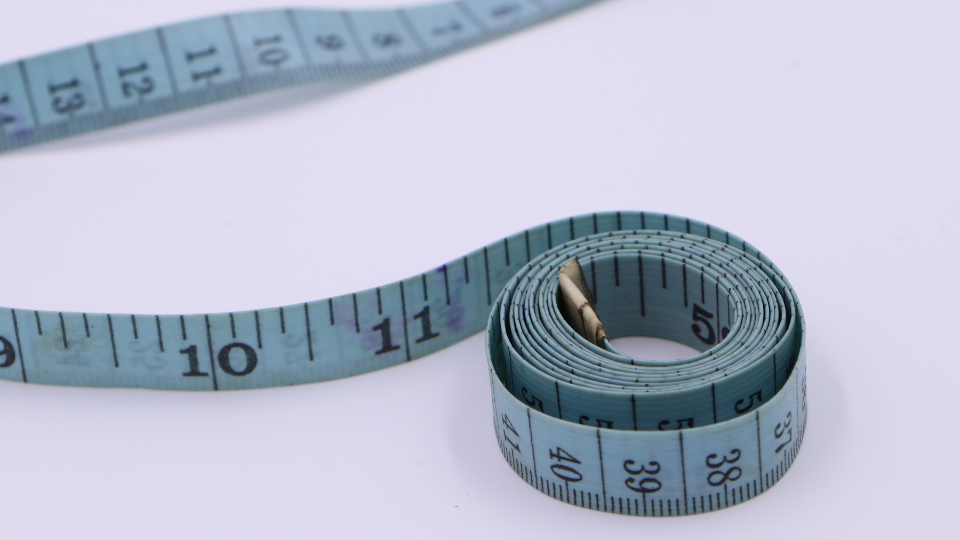
The waist-to-height ratio is exactly what it sounds like: your waist measurement divided by your height. To find it, you measure around your waist at the level of your belly button, then divide that by your height. The result is a single number, usually somewhere between 0.4 and 0.7.

WHAT YOUR RESULT TELLS YOU
BELOW 0.5 — YOU’RE IN A GOOD PLACE. A result in this range suggests that body fat distribution is in a healthy range. Continue supporting your health through regular movement, nourishing foods, adequate sleep and routine health monitoring.
0.5 TO 0.6 — WORTH PAYING ATTENTION TO. A result in this range suggests an elevated level of fat around your waist and abdomen, which is associated with an increased risk of metabolic and cardiovascular conditions, like type 2 diabetes and heart disease. This result is not a diagnosis. Consider discussing it with a healthcare professional alongside other health measures, such as blood pressure, blood glucose, cholesterol and your personal and family health history.
This is the ideal window to make small shifts that can have a real impact. You don’t need to overhaul your life: even modest changes now can move the needle.
ABOVE 0.6 — TIME TO TAKE ACTION. A result in this range suggests a higher level of more fat around your waist and abdomen, which is associated with an increased risk of increase in metabolic and cardiovascular conditions, like type 2 diabetes and heart disease. This result does not mean that you have a health condition, but it is an important signal to review your overall metabolic and heart health with a healthcare professional.
Your doctor can help you develop a plan to lower it, especially when it’s caught early. Depending on what’s driving your number, your plan might include anything from lifestyle changes to medication.
WHAT BMI MISSES
BMI, the measure most of us have heard of, compares your weight to your height. It’s useful, but it misses something important: where fat sits in your body matters as much as how much you weigh. Fat stored deep in the belly, around the liver, heart, and other organs, is what drives much of the risk of future health issues. Your waist-to-height ratio picks this up directly, even when your weight looks normal on paper.
That’s why the waist-to-height ratio is emerging as a simpler and more accurate indicator of cardiovascular risk than BMI. It can also identify health risks in people with a normal BMI who may still carry excess abdominal fat.
WHAT HAPPENS NEXT?
Your ratio isn’t a diagnosis: it’s a conversation starter. The most important thing you can do next is talk to your doctor or healthcare professional about your result and see what next steps they recommend.
Depending on your result, your doctor may suggest a few simple tests to get a fuller picture of your health. You won’t necessarily need all of them:
- Blood sugar (glucose or A1c)
- Cholesterol and triglycerides (a lipid panel)
- Liver Enzymes (Liver Health)
- Urinalysis (Kidney Health)
- Blood Pressure
- Tracking your waist measurement and weight over time
Each of these numbers provides information that can help you and your doctor create a plan to lower your risk of developing future health problems.
A FEW SMALL CHANGES THAT ADD UP
There are also small changes you can make that will improve your metabolic health and make everyday life feel better. Several of them work directly on where your body stores fat.
- MOVE MORE OFTEN. No gym or marathon required. Regular movement, even a short walk (especially after meals!), helps your body handle blood sugar and chip away at the fat that tends to settle around your middle.
- PROTECT YOUR SLEEP. Short or restless sleep nudges your hormones toward storing more fat around your organs, exactly the fat this number is picking up.
- TAKE THE EDGE OFF STRESS. Ongoing stress raises cortisol, a hormone that encourages belly fat storage. Walking, talking to someone, or simply building in more downtime all help.
You don’t need to change everything at once. One small, steady shift, and a conversation with your doctor about your ratio, is enough to start things moving in the right direction.
YOUR NUMBER IS JUST A STARTING POINT…
If your number is higher than you’d like, that’s a place to start… and a chance to act early. Your health is shaped by your biology, your environment, and your life experiences, all of it. This measurement is simply a tool to help you understand where you stand, so you can take the next right step, whatever that looks like for you.
This disease‑awareness educational content was developed independently by What to Know, LLC, with financial support from Boehringer Ingelheim.